Blog
Are Google Search Ads Dead? How AI Is Changing Search Behavior
Lately, we have been getting a version of the same question from clients: "Are Google Search Ads as effective as before, or are people just using AI now?" It is a valid question!
AI tools like ChatGPT have changed how people search. Instead of searching multiple questions in Google, users can ask one question and get a full answer instantly. Yes, that shift is impacting search behavior, but it does not mean Google Search ads are dead. It just means they are playing a different role than they used to.
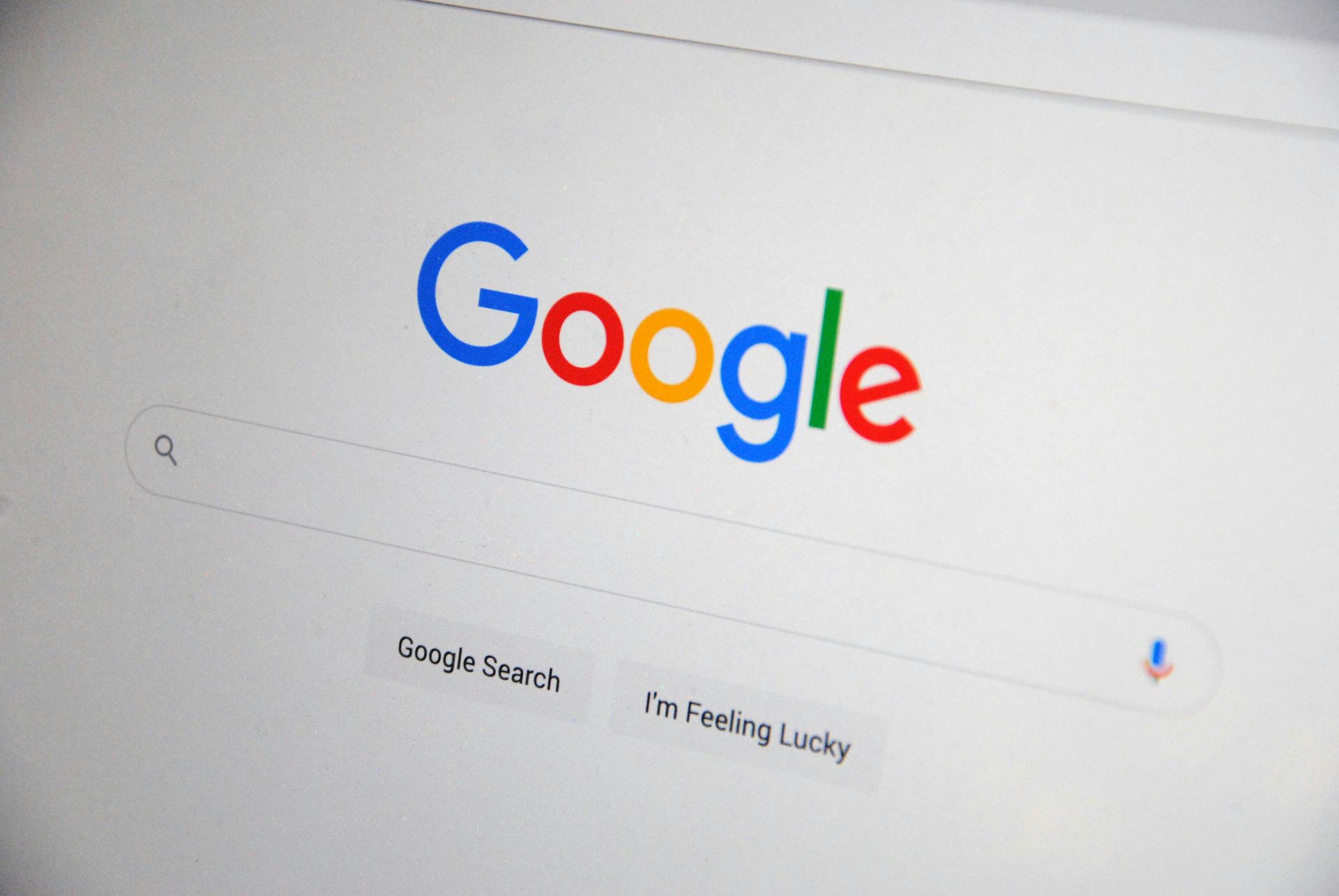
What is Changing in Search
The biggest shift is happening at the top of the funnel. A lot of early research is no longer happening on Google. Searches like “best CRM for small business” or “how much does SEO cost”, are increasingly being answered inside AI tools before a user ever clicks into search results.
At the same time, Google is introducing AI-generated summaries directly in search results, which also reduce the need to click around multiple sites. This results in fewer low-intent, exploratory searches making it to Google.
What is Not Changing
High-intent searches are still there. When someone is ready to take action, they still go to Google and search things like “roofing company near me”, “schedule consultation”, or “pricing for [service]”. That behavior has not gone away.
In fact, Google has publicly stated that AI is leading users to search in more detailed, intent-driven ways, not less. So, it’s not that search demand is disappearing, it’s that the searches are shifting toward stronger intent.
So… Are Google Search Ads Dead?
Google Search Ads are not dead, but they are becoming more decision focused.
Instead of capturing users at every stage of research, Search campaigns are increasingly capturing users who already have context and are closer to taking action. The platform is not shrinking. It is becoming more concentrated around intent.
How Google Search Campaigns Are Adapting
Google is actively rebuilding Search campaigns around this shift.
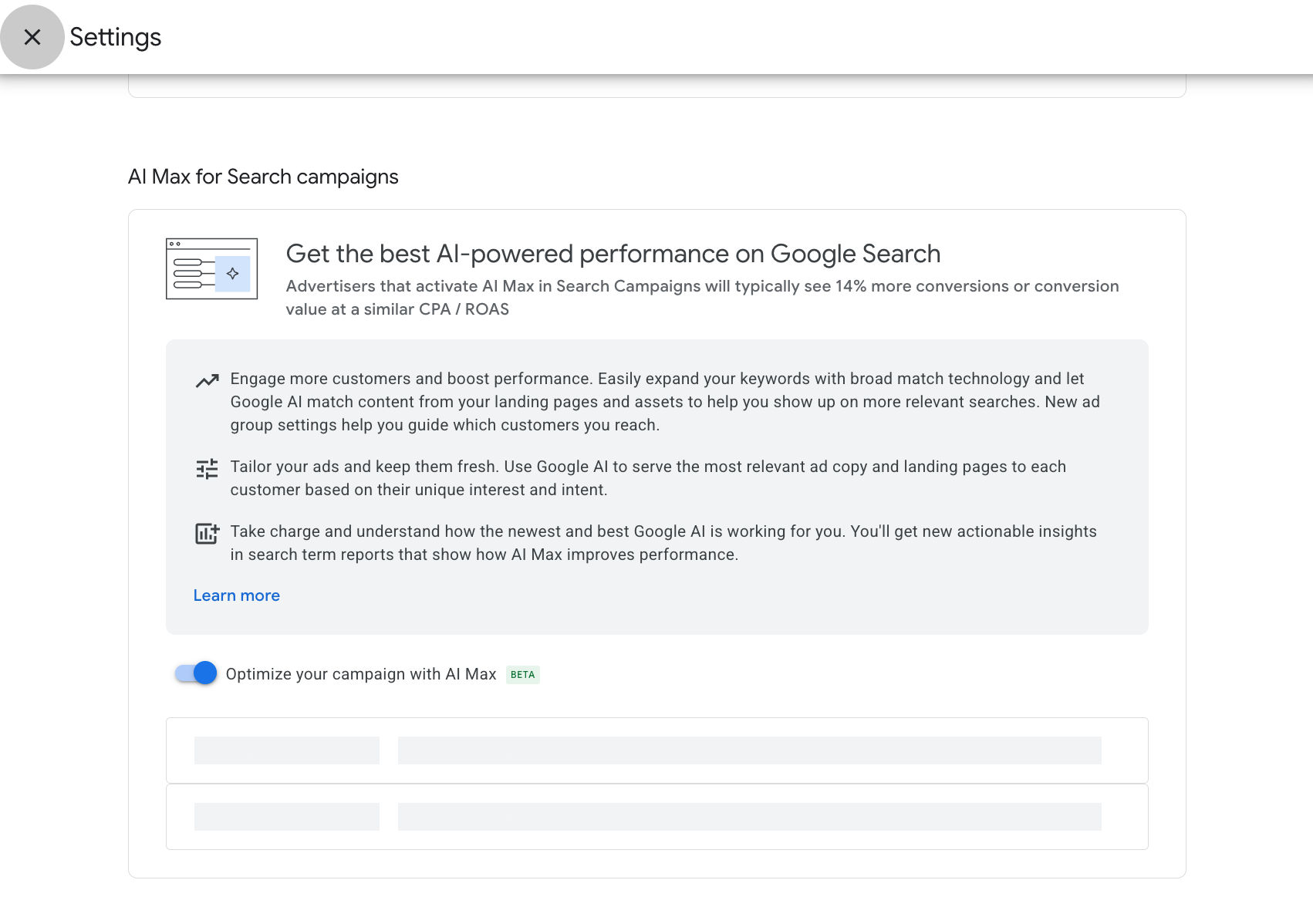
The biggest example of this is AI Max for Search. Instead of relying on strict keyword matching, AI Max expands reach using broad match targeting, real-time query interpretation, and dynamic ad copy based on landing pages. Google describes this as a way to capture “new queries you weren’t accessing before” and reach users based on intent, not just keywords. It also learns from your existing keywords, ads, and URLs to match you to more relevant searches automatically.
In other words, Google is shifting Search campaigns from “match this keyword” to “understand this intent”. This lines up directly with how people are now searching.
Search Results Are Changing Too
It’s not just campaigns; Google is also changing what the search results page looks like.
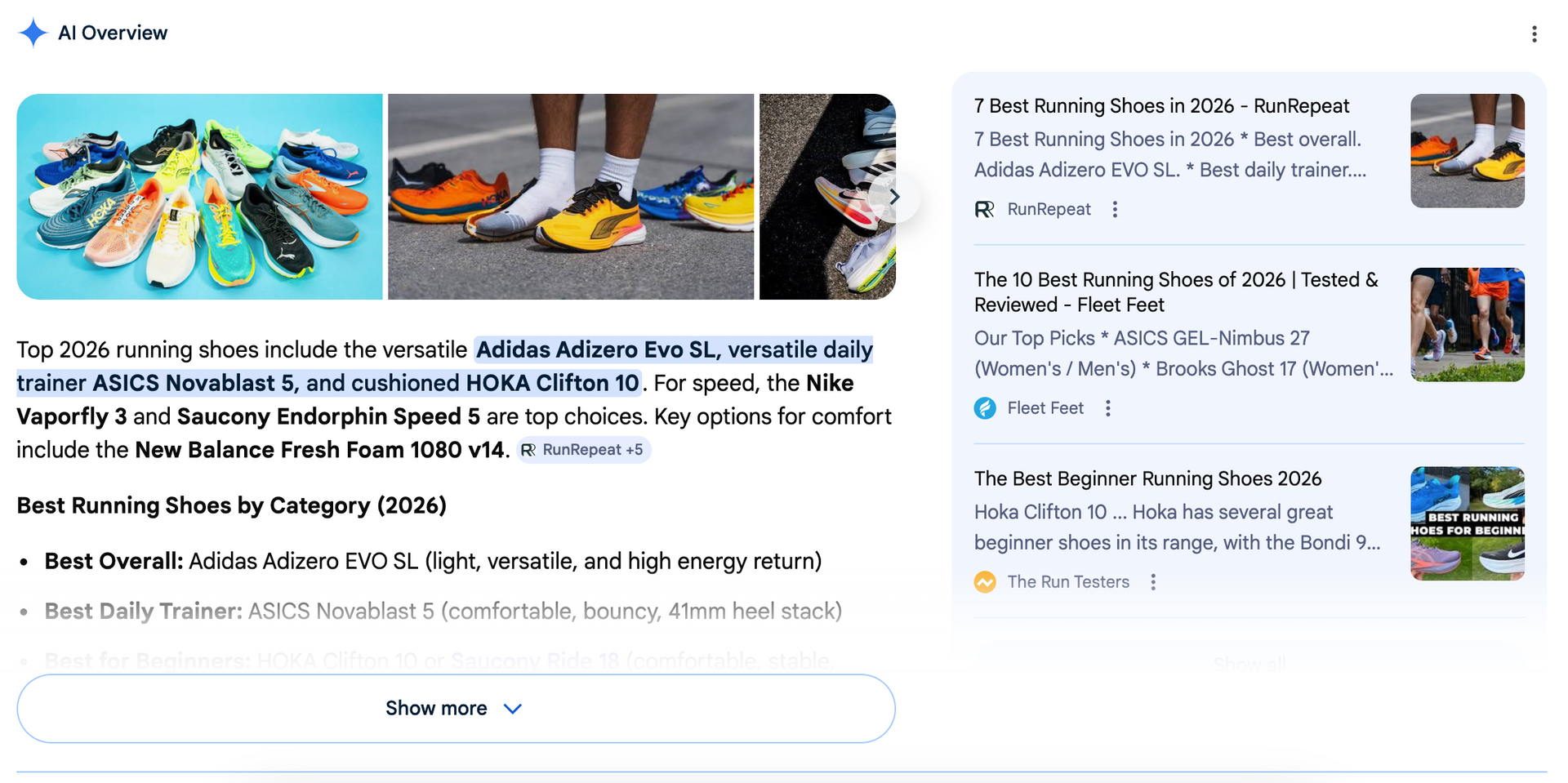
AI-generated summaries, known as AI Overviews, are now appearing at the top of results and answering questions directly. Ads are not disappearing from these experiences; they are being integrated into them. Google has already begun placing ads within AI-driven search experiences when there is clear commercial intent. So even as search evolves, ads are still part of the experience.
Ads In AI Platforms
This is not just a Google problem or a Google opportunity.
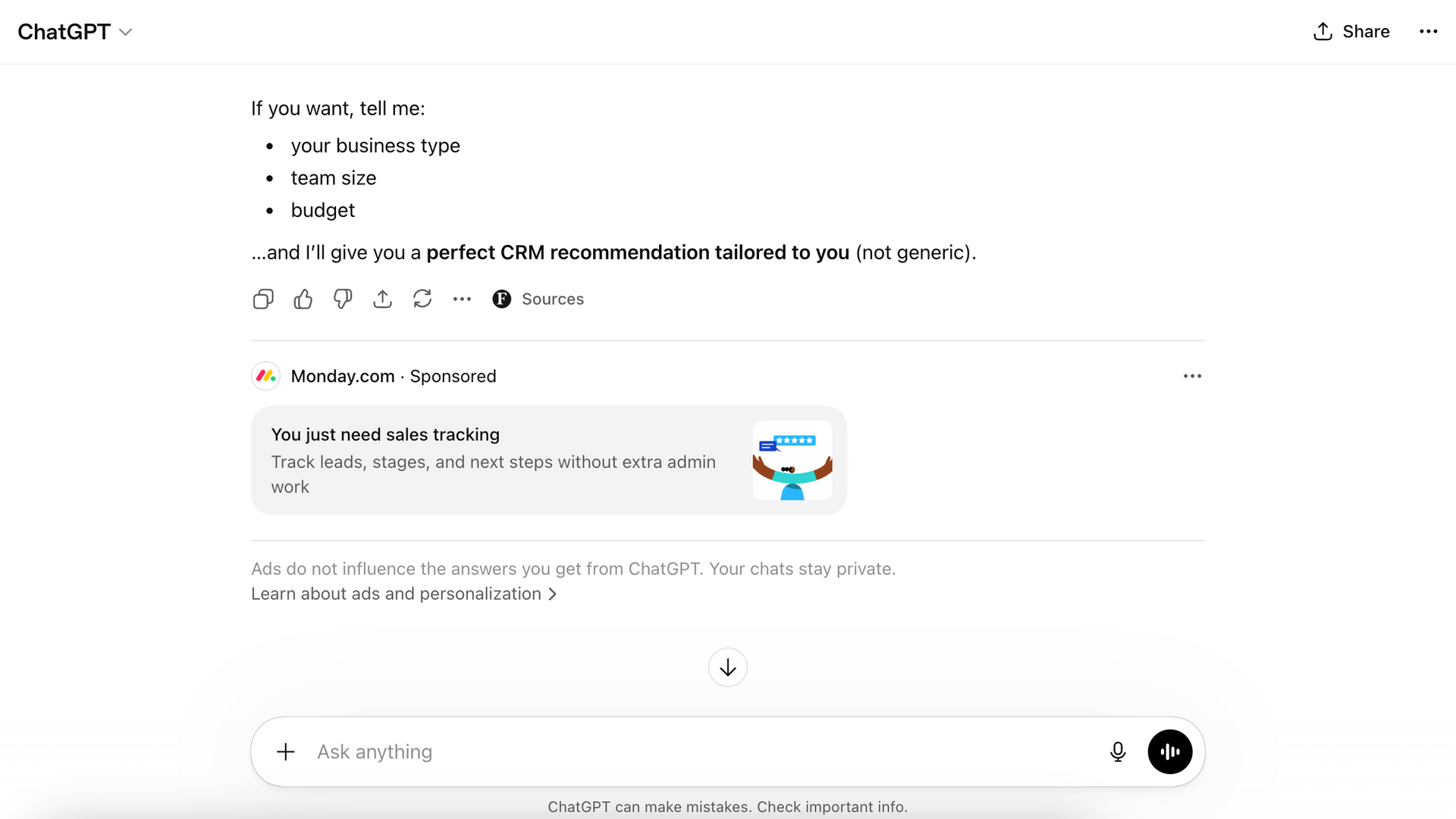
AI platforms like ChatGPT are already exploring monetization models, including advertising and sponsored recommendations.
Google has even confirmed that advertising within AI-driven search experiences is a key focus, while carefully balancing user trust. The takeaway is simple… Advertising is not going away, but rather, expanding into new environments.
What This Means for Your Search Strategy
If you are running Google Search campaigns, the shift is not whether to use them, but how you use them. Search campaigns are becoming less about covering every possible keyword and more about capturing intent, feeding strong data into the system, and allowing AI to work.
Features like AI Max are designed to extend your reach beyond what manual keyword targeting could do, including finding entirely new search queries. Because of this, performance depends more on conversion tracking, landing page quality, and clear messaging.
What Does This Mean for You?
Google Search ads are not dead, search behavior is just getting shorter, faster, and more direct.
AI is removing some of the early-stage searching, but it is not removing intent, and where there is intent, Search campaigns still work. The difference now is that success comes from adapting to how people search today.
Need Help Navigating the Shift?
At Theory Z Media, we are helping clients adjust their Google Search strategies to match how people are searching today. From implementing AI Max to improving lead quality and tracking, we focus on what drives real results.
If you’re questioning whether your Search campaigns are still working, or just not working the way they used to, let’s talk! Email us at info@theoryzmedia.com, call us at 651-335-7093 or fill out our website contact form.
Sources
- Google. “AI Max for Search Campaigns.” Google Ads & Commerce Blog, 2025, https://blog.google/products/ads-commerce/google-ai-max-for-search-campaigns/.
- Google. “AI in Search and Brand Discovery.” Google Ads & Commerce Blog, 2025, https://blog.google/products/ads-commerce/.
- Google. “Getting Started with AI Max for Search Campaigns.” Google Ads Help, 2025, https://developers.google.com/google-ads/api/docs/campaigns/ai-max-for-search-campaigns/getting-started.
- The Verge. “Google’s AI Overview Ads Launch.” The Verge, 3 Oct. 2024, https://www.theverge.com/2024/10/3/24260637/googles-ai-overview-ads-launch.
- Business Insider. “Google VP Says Ads Aren’t Coming to Gemini Yet.” Business Insider, 1 Jan. 2026, https://www.businessinsider.com/google-vp-says-ads-arent-coming-to-gemini-yet-why-2026-1.
- Southern, Matt G. “OpenAI Begins Testing Ads in ChatGPT for Free and Go Users.” Search Engine Journal, 9 Feb. 2026, https://www.searchenginejournal.com/openai-begins-testing-ads-in-chatgpt-for-free-and-go-users/566869/.